


-

Add: HeBei ShengShi HongBang Cellulose Technology CO.,LTD.
-

Email
13180486930@163.com -

CONTACT US
+86 13180486930
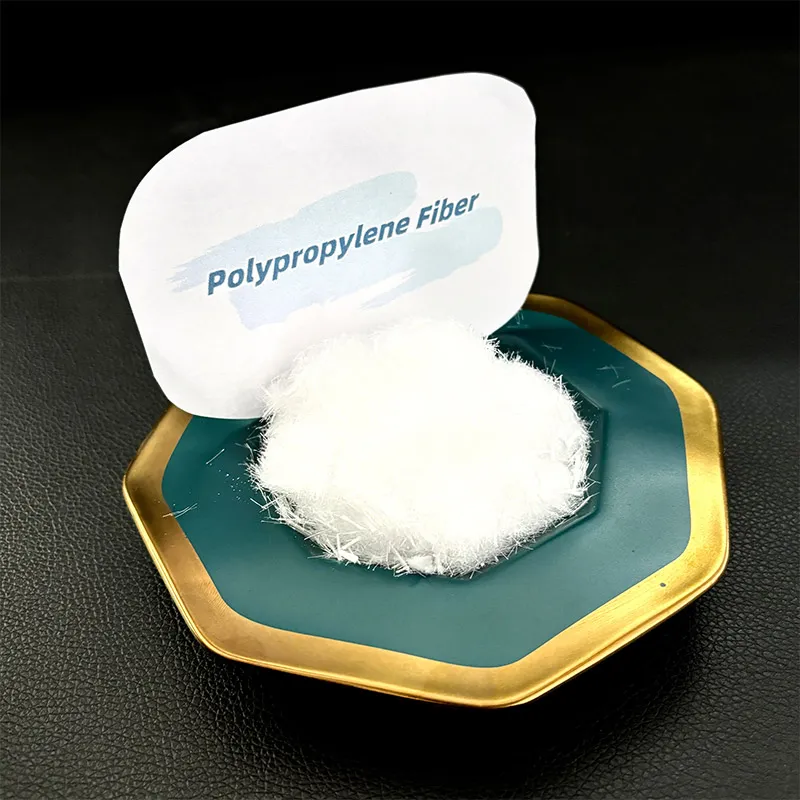

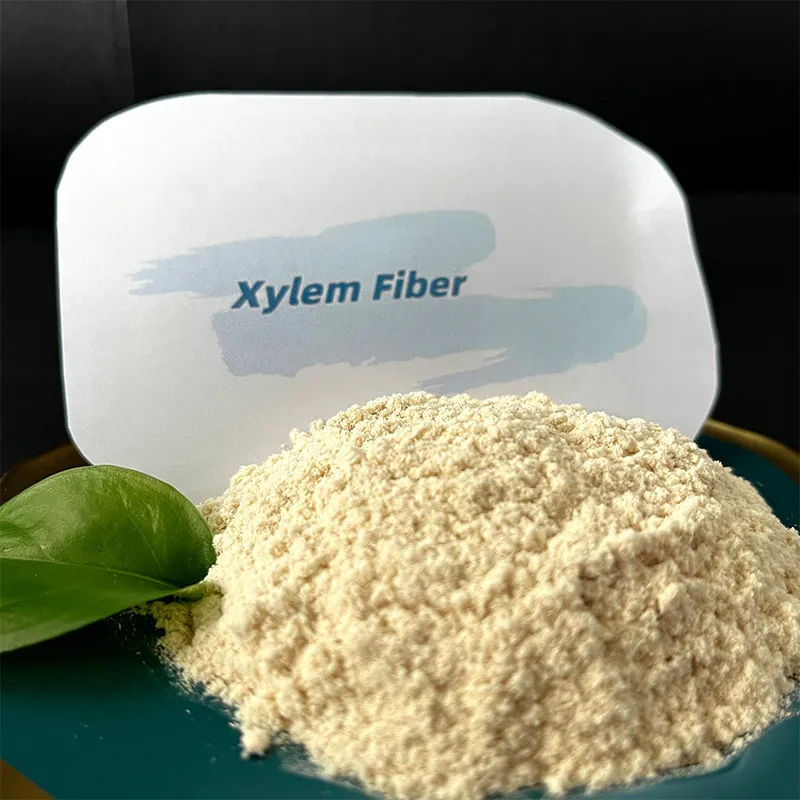


Raw Materials for Synthetic Fibers An Overview Synthetic fibers have become an integral part of our daily lives, shaping industries ranging from fashion to automotive. These fibers are made from raw materials that have transformed textiles, offering durability, versatility, and a range of functionalities. To understand the production of synthetic fibers, it is essential to explore the various raw materials involved, the processes of transforming these materials, and their impact on the textile industry and the environment. Types of Raw Materials The production of synthetic fibers primarily relies on petrochemical products derived from crude oil. The two most common types of synthetic fibers are polyesters and polyamides, which are produced from specific raw materials. 1. Polyester The most widely used synthetic fiber, polyester, is typically made from polyethylene terephthalate (PET). PET is synthesized from two key raw materials terephthalic acid and ethylene glycol. Both of these compounds originate from crude oil, undergoing processes such as polymerization to create polyesters. Known for its strength and resistance to stretching and shrinking, polyester has become a popular choice in clothing, home furnishings, and industrial applications. 2. Polyamide (Nylon) Another significant synthetic fiber is polyamide, commonly known as nylon. The production of nylon involves raw materials like hexamethylenediamine and adipic acid, which can also be sourced from petroleum or derived from renewable resources. Nylon fibers are prized for their exceptional elasticity, strength, and abrasion resistance, making them ideal for products such as hosiery, activewear, and ropes. 3. Acrylic Acrylic fibers, often used as a wool substitute, are manufactured from polyacrylonitrile (PAN). The raw materials for PAN typically include acrylonitrile, which is derived from propylene—another byproduct of oil refining. Acrylic fibers are lightweight, soft, and exhibit good color retention, providing a popular choice in blankets, sweaters, and textiles. The Production Process Once the raw materials are sourced, the production of synthetic fibers generally involves several key steps polymerization, spinning, and finishing. raw material for synthetic fibers - Polymerization This process involves chemically reacting the raw materials to form long chains of molecules, known as polymers. Depending on the desired characteristics of the final product, variations in the chemical process can be implemented to achieve specific attributes, such as thickness and flexibility. - Spinning After polymerization, the resulting polymers are melted down and extruded through spinnerets, which are devices that create filaments. As the molten polymer passes through tiny holes, it cools and solidifies to form fibers. This spinning process can be done using different techniques, such as dry, wet, or melt spinning, each resulting in different types of fiber characteristics. - Finishing The final step in fiber production involves finishing processes that enhance the fiber's performance characteristics. This might include dyeing, texturing, or applying treatments that improve properties like water resistance or flame retardance. Environmental Considerations While synthetic fibers have revolutionized the textile industry, their production poses significant environmental challenges. The extraction and processing of petrochemical raw materials contribute to carbon emissions, pollution, and reliance on fossil fuels. Furthermore, synthetic fibers are not biodegradable, resulting in long-lasting waste in landfills and oceans. To address these concerns, there is a growing movement towards sustainable practices in synthetic fiber production. Innovations in recycling technologies are enabling the repurposing of old synthetic garments into new fibers. Brands are also exploring bio-based alternatives, using renewable resources such as corn starch or sugarcane to produce synthetic fibers, thus reducing their environmental footprint. Conclusion The journey of synthetic fibers from raw materials to finished products is a complex interplay of chemistry, engineering, and environmental considerations. As demand for these materials continues to grow, it is vital to find a balance between industrial benefits and ecological sustainability. By prioritizing innovation and responsible sourcing, the future of synthetic fibers may pave the way for a more sustainable textile industry, combining functionality with environmental stewardship.
- 40000tons

Production
- 20+years

Experience
- 5000+㎡

Acreage

-
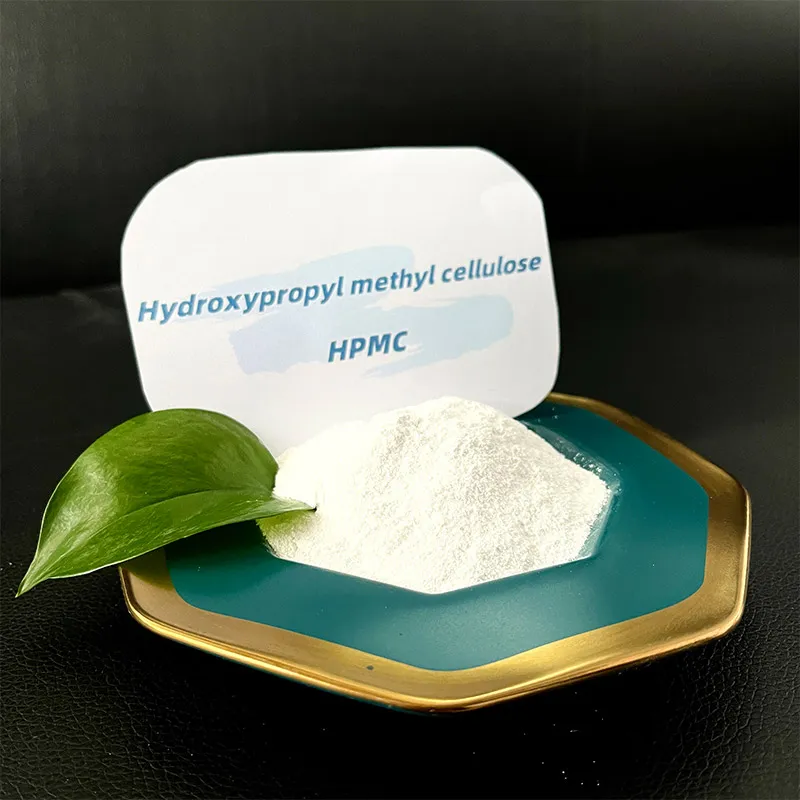
Hydroxypropyl Methylcellulose (HPMC) is a multifaceted compound that has garnered significant attention for its versatile applications across various industries. As someone with years of experience navigating the SEO landscape and understanding consumer needs, I can share insights into this compound that will elevate your understanding and buying experience. HPMC is a chemically modified cellulose polymer that boasts excellent properties such as high viscosity, solubility in water, and film-forming capability. Its non-toxic, hypoallergenic, and biodegradable nature makes it an optimal choice for numerous applications, in particular within the construction, pharmaceutical, and food industries. In the construction sector, HPMC is revered for its role in enhancing the performance of building materials. It significantly improves the workability and water retention of cement-based products such as tile adhesives, cement plasters, and mortars. By ensuring optimal curing processes, it enhances the end-product's durability and strength, reducing the likelihood of cracks and ensuring a long-lasting finish. For construction professionals seeking materials that promote efficiency and reliability, HPMC is an undoubtedly valuable addition. In the pharmaceutical arena, HPMC serves a critical function as an excipient. Its use in controlled-release formulations, where it acts as a matrix former, helps in modulating drug release rates, ensuring that therapeutic effects are distributed consistently over time. Additionally, it’s used in the fabrication of capsules and coatings, offering a reliable solution for those needing medication delivery that is both efficient and safe. Pharmaceutical experts regard HPMC as an indispensable ingredient due to its stability, safety, and effectiveness. buy hydroxypropyl methylcellulose The food industry benefits greatly from HPMC’s unique properties as well. It serves as a stabilizer, emulsifier, and thickener in diverse food products. For instance, in gluten-free baking, it provides the dough elasticity that gluten normally would, maintaining the texture and integrity of the final product. Food technologists appreciate its role in nailing the texture and consistency of food items without compromising on health or safety. A growing nod toward sustainability makes HPMC a notable subject of interest. Given its biodegradable nature, the product aligns with eco-friendly practices and offers industries a sustainable alternative to other synthetic compounds. Companies aiming to reduce their environmental impact are increasingly exploring HPMC as an integral component of their production processes. As you consider purchasing hydroxypropyl methylcellulose , it’s important to source from reputable suppliers who adhere to quality standards. Ensure that the suppliers you engage with provide transparent information regarding product specifications and certifications. This ensures that you are receiving a product that meets industry benchmarks for quality, safety, and efficacy, thereby enhancing your trust in its performance. In conclusion, the multi-industry utility of HPMC cannot be overstated. Its impressive range of properties makes it a versatile compound suitable for innovative applications across various domains. With the added benefit of being eco-friendly, its adoption provides not only performance advantages but also aligns with environmental sustainability goals. By embracing this compound, industries can witness enhanced product performance while contributing to a greener planet. When purchasing HPMC, prioritize quality, and certification to maximize its benefits in your specific application.
-

The Importance of Wood Cellulose in Modern Applications Wood cellulose, an organic compound derived from the cell walls of trees and plants, has garnered increasing attention in various industries due to its unique properties and versatility. As one of the most abundant biopolymers on Earth, it plays a crucial role in both natural ecosystems and human applications. This article explores the significance of wood cellulose, its production, and its various uses in modern society. What is Wood Cellulose? Wood cellulose is a long chain polymer made up of glucose units that form a linear structure. This structural arrangement gives cellulose its remarkable strength and ability to form fibers. Wood, being rich in cellulose, serves as the primary source for extracting this valuable material. The process of extracting cellulose from wood involves several steps, including debarking, chipping, cooking, and bleaching, resulting in a pure form that can be used for a multitude of applications. Industrial Applications One of the most significant uses of wood cellulose is in the paper and pulp industry. Cellulose fibers are the main component of paper products, where they contribute to the strength and texture of the final product. With a growing emphasis on sustainability, recycled paper containing wood cellulose has become increasingly popular, reducing the need for virgin wood and promoting a circular economy. . Wood Cellulose in Food and Pharmaceuticals ағаш целлюлозасы In the food industry, cellulose serves as an additive that improves the texture and stability of various products. It acts as a thickening agent, emulsifier, and dietary fiber, enhancing the nutritional profile of food items. Moreover, cellulose is a popular ingredient in low-fat and reduced-calorie products, offering mouthfeel without the additional calories. The pharmaceutical industry also benefits from wood cellulose. It is used as an excipient in many medications, where it aids in the formulation and stability of drugs. Hydroxypropyl methylcellulose (HPMC) and microcrystalline cellulose are common cellulose derivatives utilized as binding agents, ensuring that tablets maintain their integrity and dissolve appropriately in the body. Innovations in Eco-Friendly Materials In recent years, the focus on sustainability has led to innovative uses of wood cellulose in the development of eco-friendly materials. Biodegradable plastics derived from cellulose are being researched and developed to combat the growing plastic pollution problem. These materials not only showcase the potential of renewable resources but also help reduce the reliance on fossil fuels. Furthermore, advanced research is exploring the potential of wood cellulose in nanotechnology. Cellulose nanoparticles are being studied for their use in drug delivery systems, biosensors, and even as a reinforcing agent in composite materials. This research could pave the way for groundbreaking solutions in various fields, from medicine to environmental science. Conclusion Wood cellulose stands out as a remarkable biopolymer with diverse applications across multiple industries. Its abundance, sustainability, and unique properties make it an essential material in our modern world. As society continues to seek out eco-friendly alternatives, the significance of wood cellulose is only expected to grow. From traditional industries like paper and textiles to innovative applications in food and pharmaceuticals, wood cellulose represents the intersection of nature and technology, offering promising solutions for a sustainable future. Embracing its potential can lead us toward more responsible consumption and production practices, ensuring that we make the most of our natural resources while safeguarding the environment for generations to come.
advantages
-

200000 Viscosities
Excellent product
We can produce pure products up to 200,000 viscosities
-

40000 tons
High yield
We don’t stop production all year round, and the annual output can reach 40,000 tons
-

24 hours
Quality service
We provide 24-hours online reception service, welcome to consult at any time
———— Inquiry Form
Schedule A services

-
 hpmc_e15_viscosity
Oct . 25, 2025
The Versatility and Applications of Polyvinyl Chloride Powder Polyvinyl chloride (PVC) is one of the -
 polipropileno_reforzado_con_fibra_de_vidrio
Oct . 25, 2025
Long glass fiber reinforced polypropylene is revolutionizing the way industries approach manufacturi -
 hpmc_thickening_agent
Oct . 25, 2025
In today’s fast-paced manufacturing and construction industries, the demand for sustainable and cost


